Quantum Engineering in the Solid State
A central theme of our research is coherence in the solid state: understanding how microscopic interactions give rise to decoherence and engineering quantum systems that maintain coherence at the device level. Our past work on spin defects in diamond established approaches for studying and controlling color-center coherence, spin–photon interactions, and defect-induced dissipation in solid-state quantum systems.
Building on these insights, we investigate superconducting, mechanical, and spin-based quantum systems with an emphasis on loss, noise, and coherent quantum control. Our work explores quantum interfaces, transduction mechanisms, and hybrid architectures that enable coherent interactions across different physical platforms for quantum sensing and information processing.
See below for current research directions.
Quantum Defect Spectroscopy
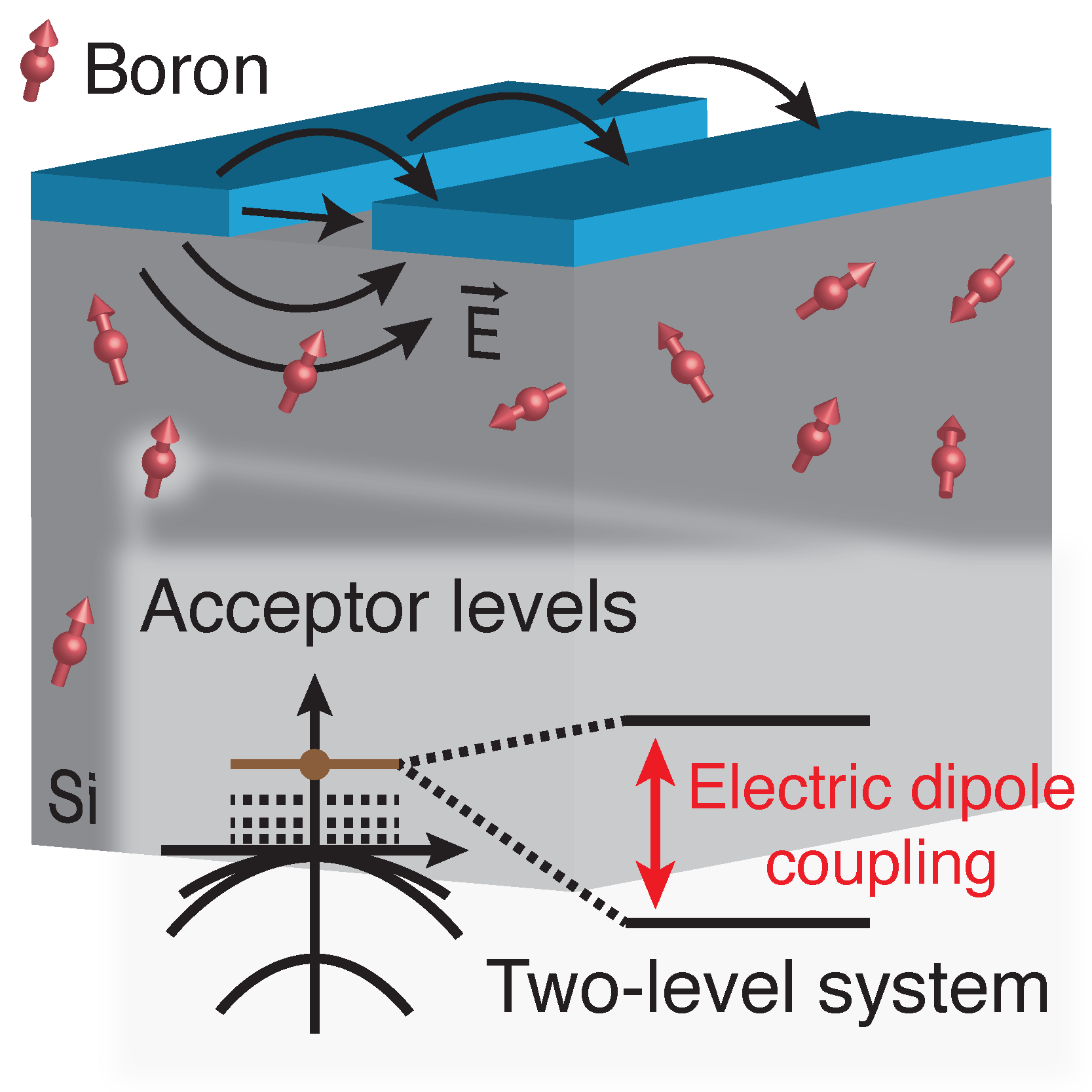
Microscopic material defects are a major source of loss and noise in superconducting circuits and other solid-state quantum devices. Understanding how these defects interact with quantum systems is essential for improving coherence and enabling scalable quantum technologies.
Our group develops multimodal defect spectroscopy techniques to study microscopic defects in superconducting circuits and nanomechanical devices. By combining low-temperature measurements with superconducting and electromechanical platforms, we aim to understand the microscopic origins of decoherence. Ultimately, we seek to move from ensemble measurements toward coherent control of single defects and their interactions with quantum devices.
Quantum Nanomechanics
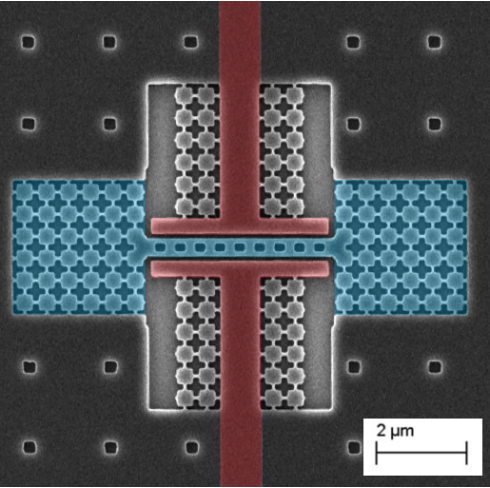
Mechanical resonators provide a powerful platform for quantum science, with applications ranging from precision sensing to quantum transduction and hybrid quantum information processing. Advances in nanofabrication and electromechanics now enable mechanical systems to operate deep in the quantum regime and interface coherently with other quantum platforms.
Our research focuses on mechanical systems operating in the quantum regime. We develop superconducting electromechanical devices and borrow concepts from the MEMS community to engineer coherent control, tunability, and coupling in nanomechanical systems. By integrating mechanics with superconducting quantum circuits, we explore new approaches for quantum transduction and hybrid quantum interfacing.
Hybrid Quantum Architectures
Different quantum platforms offer complementary capabilities, ranging from fast quantum control to long-lived coherence and coherent interfacing between distinct physical systems.
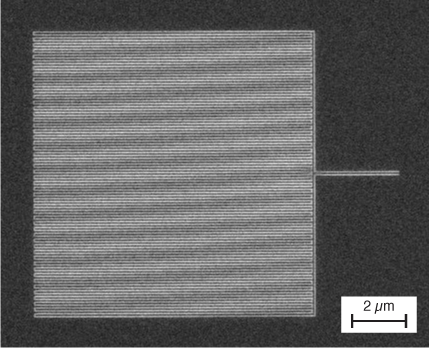
Our group investigates hybrid architectures based on superconducting circuits, spins, and nanomechanical systems. We explore novel circuit elements, coupling schemes, and engineered interactions for coherent quantum control, transduction, and information transfer across different quantum platforms.